
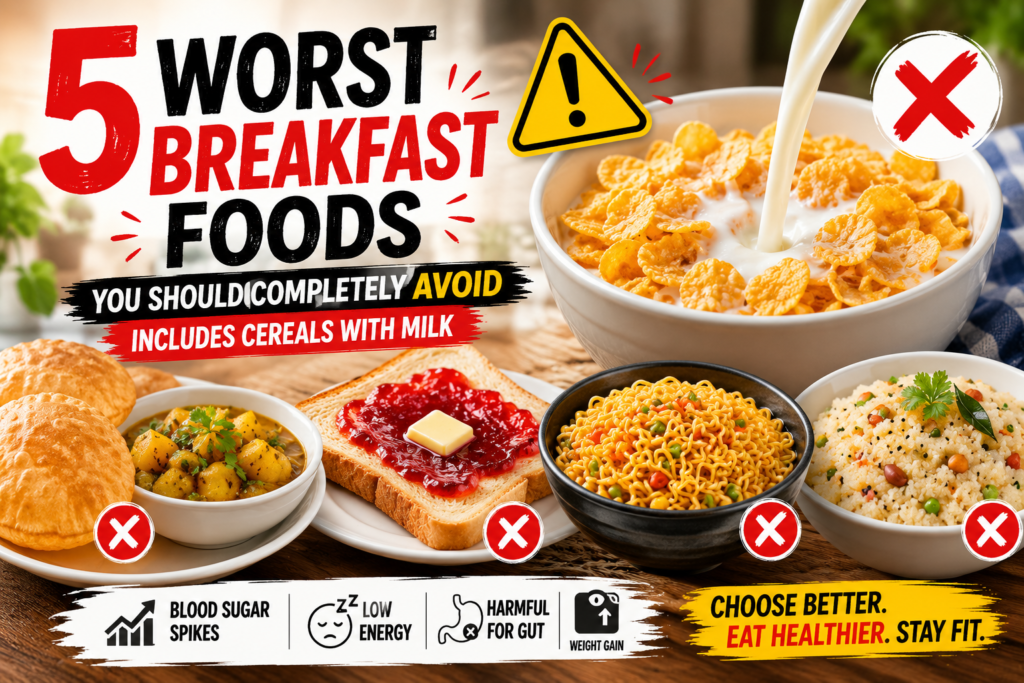
Breakfast is often called the most important meal of the day, but what if some of the foods many people consider “healthy” are actually harming their energy levels and long-term health?
5 Worst Breakfast Foods You Should Completely Avoid in 2026
The food you eat in the morning sets the tone for the rest of your day. A balanced breakfast rich in protein, fibre, and nutrients can help you stay energized, focused, and full for hours. On the other hand, breakfasts loaded with refined carbohydrates, sugar, and unhealthy fats can lead to blood sugar spikes, energy crashes, and increased hunger throughout the day.
According to Dr. Pal Manickam, a US-based gastroenterologist and health educator, several popular breakfast choices may be doing more harm than good. In a recent social media post, he highlighted five common breakfast foods that people should think twice about eating regularly.
Why Your Breakfast Foods Matters
Many people rush through mornings and choose foods that are quick and convenient. Unfortunately, convenience doesn’t always mean nutrition.
An unhealthy breakfast can:
- Cause sudden spikes and crashes in blood sugar
- Increase cravings later in the day
- Reduce productivity and concentration
- Lead to overeating
- Negatively affect gut health
Let’s take a closer look at five breakfast foods that experts suggest limiting or avoiding.
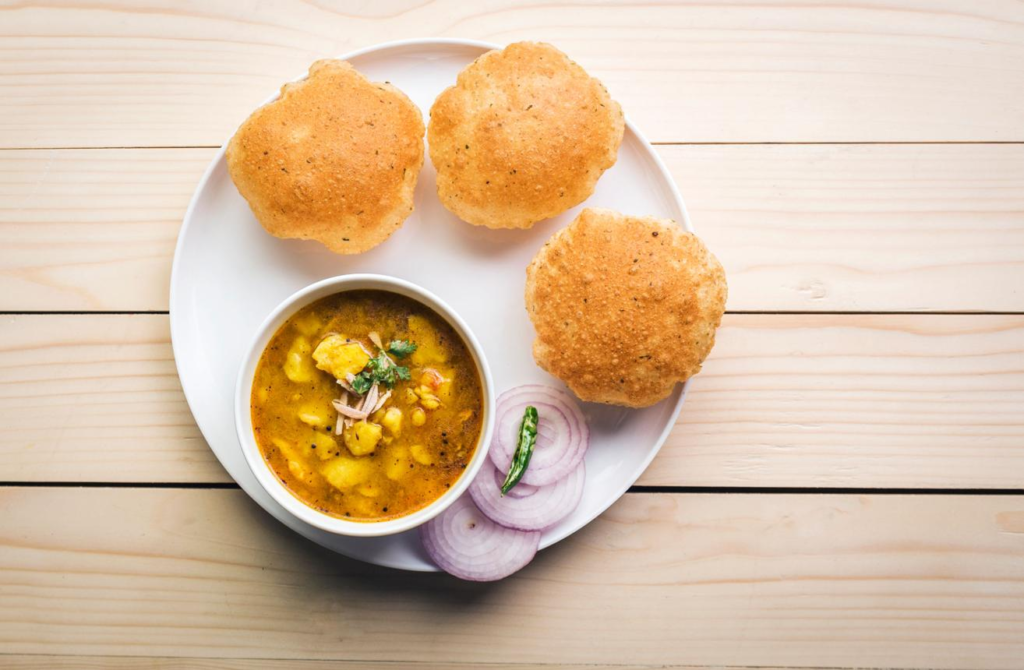
1. Poori with Potato Curry
Poori and aloo sabzi remain one of India’s most beloved breakfast combinations. While it is undeniably tasty, it may not be the healthiest way to begin your day.
Pooris are deep-fried and absorb a significant amount of oil during cooking. Combined with a potato-based curry that is rich in carbohydrates, the meal can become extremely calorie-dense.
Potential drawbacks include:
- Excessive oil consumption
- Blood sugar spikes
- Post-meal drowsiness
- Low protein content
- High calorie intake
While enjoying this meal occasionally is perfectly fine, making it a regular breakfast foods habit may not support long-term health goals.
2. White Bread with Butter and Jam
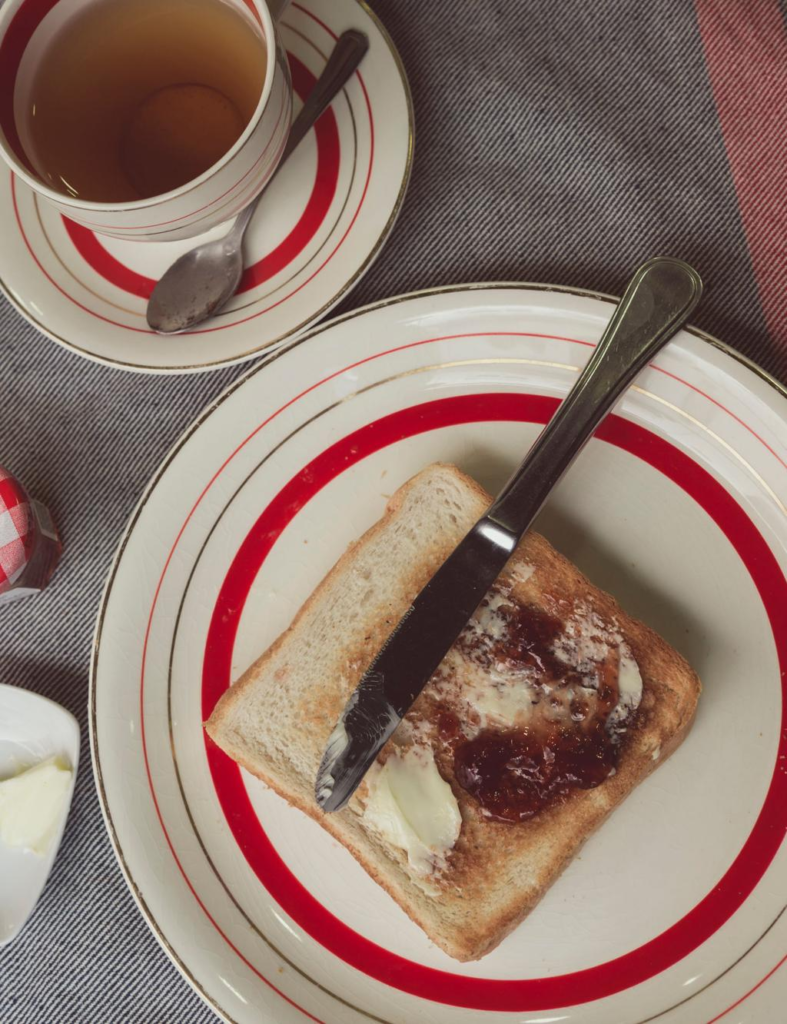
For many households, bread, butter, and jam is the ultimate quick breakfast foods. However, nutrition experts often consider it one of the least balanced breakfast options.
White bread is made from refined flour and contains very little fibre. When combined with butter and sugary jam, the meal becomes largely a combination of refined carbohydrates, sugar, and fat.
The result?
- Temporary fullness
- Quick digestion
- Hunger returning within an hour
- Limited nutritional value
A healthier alternative could include whole-grain bread paired with eggs, peanut butter, or vegetables.
3. Instant Noodles
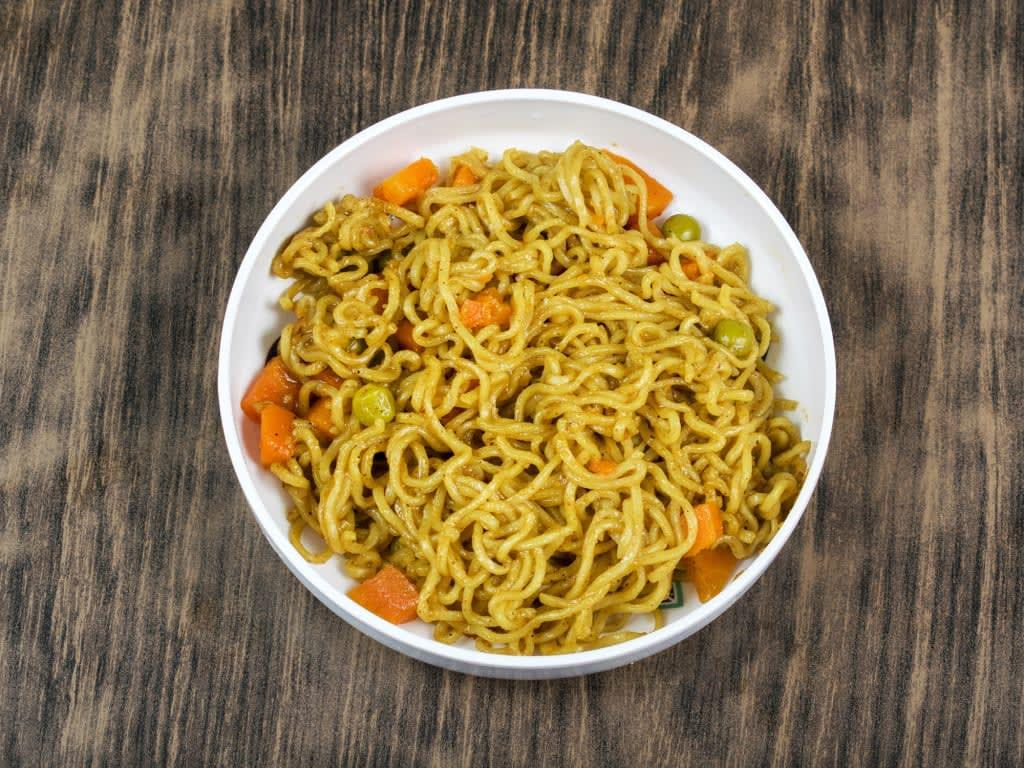
Instant noodles may be convenient, but convenience often comes at a nutritional cost.
These products are typically high in:
- Refined carbohydrates
- Sodium
- Preservatives
- Artificial additives
At the same time, they offer very little protein and fibre.
According to health experts, starting your day with instant noodles can place unnecessary stress on digestion while providing limited sustained energy.
4. Plain Upma Without Vegetables
Upma is often viewed as a healthy Indian breakfast, but the nutritional quality depends heavily on how it is prepared.
Plain upma made primarily from semolina (rawa), oil, and minimal ingredients may provide carbohydrates, but it lacks many of the nutrients needed for a balanced meal.
Without vegetables, lentils, or protein sources, plain upma can become:
- Low in fibre
- Low in protein
- High in simple carbohydrates
- Less filling
To make upma healthier, consider adding:
- Green peas
- Carrots
- Beans
- Peanuts
- Lentils
These additions improve both nutrition and satiety.
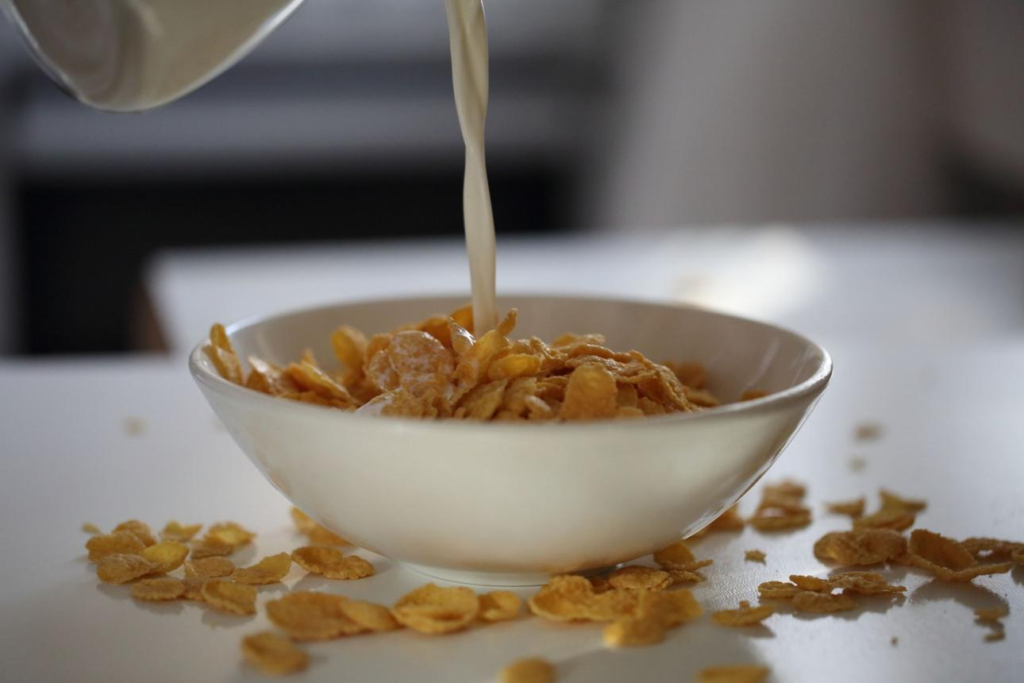
5. Cereals with Milk (Including Cornflakes)
Perhaps the most surprising item on this list is cereals with milk.
Many breakfast foods cereals are heavily marketed as healthy choices. However, a closer look at nutrition labels often reveals significant amounts of added sugar and refined carbohydrates.
While milk contributes protein and calcium, it may not fully offset the nutritional shortcomings of highly processed cereals.
Common concerns include:
- High sugar content
- Low fibre levels
- Rapid blood sugar fluctuations
- Short-lived satiety
For a healthier breakfast, consider oats, Greek yogurt, eggs, fruit, or homemade muesli instead.
What Should a Healthy Breakfast Include?
Instead of relying on highly processed foods, aim for a breakfast that combines:
✅ Protein (eggs, paneer, Greek yogurt, sprouts)
✅ Fibre (fruits, vegetables, oats, whole grains)
✅ Healthy fats (nuts, seeds, peanut butter)
✅ Complex carbohydrates (oats, millets, whole wheat)
This combination helps maintain stable energy levels and keeps you full for longer.
Final Thoughts
Breakfast can either set you up for success or leave you feeling sluggish before the day has even begun.
While foods like poori, white bread with jam, instant noodles, plain upma, and sugary cereals remain popular choices, health experts suggest limiting their regular consumption. Choosing meals rich in protein, fibre, and essential nutrients can improve energy, digestion, and overall well-being.
Small breakfast changes made consistently over time can have a significant impact on your health.
Frequently Asked Questions (FAQs)
Why is poori considered unhealthy for breakfast?
Because it is deep-fried, calorie-dense, and can cause blood sugar spikes and sluggishness.
Are cereals with milk healthy?
Not always. Many breakfast cereals contain large amounts of added sugar and refined carbohydrates.
Is upma healthy or unhealthy?
Upma can be healthy when prepared with vegetables, pulses, and protein-rich ingredients.
Why should I avoid instant noodles for breakfast?
They are high in sodium and refined carbohydrates while offering little protein or fibre.
What is the healthiest breakfast option?
A balanced breakfast containing protein, fibre, healthy fats, and complex carbohydrates is generally considered healthiest.
Disclaimer: This article is for informational purposes only and should not be considered medical advice. Consult a qualified healthcare professional before making significant dietary changes.
Check out our sip calculator pro